Expected Microbiological Results on Precooked Beef
Introduction
Fresh minced beef is widely used all over the world as a basic ingredient of diverse nutrient preparations and especially for burger patty formulations. Upon buy, minced beef should be immediately refrigerated or frozen to avoid the bacterial spoilage. In fact, the grinding process causes the spillage of tissue fluids that correspond a rich nutritional component for a wide range of microorganisms, promoting a rapid microbial growth, also if meat is immediately packaged and chilled (Djordjević et al., 2018). The minced beef should exist stored at 4°C, for maximum of iii days, in order to preserve freshness and ho-hum down microbial growth. In add-on to worsening of microbiological parameters, prolonged storage leads to a progressive decrease of quality parameters, such every bit texture and colour (Olivera et al., 2013).
Being a very perishable product, nutrient additives can be added during the grooming of minced meat products as reported in the Reg. Eu 601 (2014). Some of them, such as alginates (E 401–404), carrageenan (E 407), locust bean gum (E 410), and guar gum (E 412), are added in meat preparations every bit stabilizers, to reduce water leakage in the packaging and to foreclose the loss of meat juices during further processing. Others, such as acetic acid (E 260), potassium acetate (E 261), sodium acetate (E 262), ascorbic acid (Eastward 300), citric acid (E 330), so on, are immune equally acidulants or antioxidants in pre-packed preparations of fresh minced meat and meat preparations, to which other ingredients than additives or salt have been added, to avoid the decline of the chief quality parameters (Sofos et al., 2013; Reg. EU 601, 2014). In addition, The General Standard for Food Additives (GSFA) of the Codex Alimentarius Commission reports, for non-heat processed meat in whole pieces or cuts (Nutrient Category 08.2.1), among other additives, three natural extracts used as colorants: carmines (INS 120), β-carotenes vegetables [INS 160e (ii)], and grape skin extract [INS 163 (ii)]; as regard to β-carotenes and grape skin extracts, they tin be used up to five,000 mg/kg of meat product (GSFA, 2018).
To date, no additive with antimicrobial activity is allowed on fresh minced meat and meat preparations, but several studies investigated the utilize of natural antioxidants for meat preservation through the reduction both of microbial growth and lipid oxidation during storage; their involvement in maintaining quality parameters and in improving wellness benefits has also been studied (Tang et al., 2006; García et al., 2009; Velasco and Williams, 2011; Kumar et al., 2015; Nowak et al., 2016).
Prickly pear excerpt (PPE) has attracted scientific interest for its healthy properties, including anti-ulcer, anti-inflammatory, diuretic, cardioprotective, and anti-diabetic effects (Feugang et al., 2006; Halmi et al., 2012) and for the low cost of the raw cloth. With specific regard to food application as a natural preservative, recent research carried out by Palmeri et al. (2018) demonstrated in vitro and in vivo the nifty antibacterial activeness of a commencement-crop PPE confronting pathogenic and spoilage leaner, generally involved in the decay of sliced beef stored at iv°C; moreover, the extract improver preserved both the beefiness colour and texture over the considered storage menses.
With minced beef, being a much more perishable product than the sliced ane, the antioxidant/antimicrobial application mode can play a decisive role in preserving the principal characteristics of acceptability. Encapsulation of agile nutrient ingredients has increased in the nutrient industry since the encapsulated materials tin can exist protected from moisture and oxygen, thus enhancing their stability over time. Özvural et al. (2016) compared the effects of green tea extract (GTE) added with different techniques (direct improver, edible coating, and encapsulation) on quality (especially oxidative) and microbiological backdrop of hamburger patties. Their results demonstrated that hamburger treatments by adding or coating with encapsulated GTE solution led to a reduction of lipid oxidation and inhibition of the total mesophilic aerobic microorganisms during storage.
The aim of the present study was to maintain the overall quality of beef burger patties through the incorporation of PPE with ii different techniques: directly application or encapsulation in sodium alginate. Beefiness burger patties were evaluated during refrigerated storage at iv°C in terms of microbial quality, pH, texture, and color variation.
Materials and Methods
Preparation of Prickly Pear Extract
First-crop red-purple fruits take been picked in July 2017, gently brushed to eliminate thorns and transported to the Di3A laboratory within one h into plastic trays at room temperature. Fruits were washed with tap water and manually peeled. The pulp was lyophilized and the water extract was obtained as described by Palmeri et al. (2018). The reddish-colored final extract, which had a content of antioxidant pigments betacyanin and betaxanthin of 0.ninety ± 0.04 (mg/100 g of pulp) and 0.l ± 0.01 (mg/100 one thousand of pulp), respectively, was diluted with an equal volume (one:2) of sterile distilled water (SDW) and used for subsequent direct addition or encapsulation on minced beef.
Encapsulation of Prickly Pear Extract
PPE encapsulation in sodium alginate (Carlo Erba, Cornaredo, MI, Italy) was performed equally described past Anbinder et al. (2011) with slight modifications. Briefly, a known volume of diluted PPE, prepared co-ordinate to the procedure reported higher up, was mixed with 0.5% (w/v) of sodium alginate and let to stir to homogenize the solution. Once homogenized, the weight of PPE-alginate solution was recorded and later the solution was dropped with a syringe (0.eighty mm × 25 mm) into a i.5% (w/v) calcium chloride solution. The beads formed were filtered through a sterile Whatman® paper Grade 1, allowed to stabilize in the air for fifteen min and and then weighed to exclude any PPE loss during the spherification process. Control beads were obtained replacing the PPE with SDW.
Alginate bead size, containing SDW or PPE, was estimated using the complimentary license software ImageJ1 through the analysis of bead digital images (captured by Scanner Brother MFC-7360N) as reported by Aguirre Calvo and Santagapita (2016). Size of beads was expressed as average Feret's bore, corresponding to the longest distance (mm) betwixt any two points along the bead purlieus, ± standard deviation. Forty beads for each thesis were analyzed past applying the "analyze particle" command of the software. Alginate beads containing SDW or PPE had a mean Feret's diameter of 2.xv ± 0.21 and 2.48 ± 0.19 mm, respectively.
Beefiness Burger Patty Preparation
Ii independent lots of minced meat (two kg × i kg) were purchased from a local supermarket in Catania (Italy), transferred (within thirty min) to the Di3A laboratory in a portable refrigerator at 4 ± 1°C and immediately used for the subsequent meat formulations.
Burger patties were prepared by mixing each lot (1 kg) of the minced beef with 0.8% (w/due west) of NaCl in a bowl for 3 min to obtain a uniform mixture, which was divided into iv 250 g experimental units; each unit was added with SDW (five%, 5/w), encapsulated SDW (5%, 5/due west), PPE (5%, v/w), or encapsulated PPE (5%, v/westward). PPE concentration at 5% (5/w) was adopted on the basis of a previous study carried out on sliced beef (Palmeri et al., 2018), where different concentrations of PPE were tested to select the one that more finer reduced microbial growth during refrigerated storage. Burger samples from each experimental unit were prepared using a burger press patty maker in order to obtain a standardized size and weight (approximately 40 g, with half-dozen cm bore, and 1 cm thickness) and coded every bit reported in Table 1. Each burger sample was packed under aerobic conditions in a plastic food tray sealed with polyethylene pic and stored at 4 ± i°C in a domestic fridge. Burger samples prepared adding SDW, either encapsulated in sodium alginate or not, to the minced beef were used as controls. Each sample of each lot was analyzed for microbial parameters, pH values, color attributes (CIE L*a*b*), and texture afterwards 0, ii, iv, and eight days of storage.
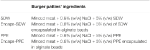
Table ane. Formulations of beef burger patties nether study.
Microbiological Analysis
The potential antimicrobial action of PPE added to the formulation of burger patties, either encapsulated or non in sodium alginate beads, was evaluated by monitoring the microbial population growth after 0, two, 4, and 8 days of storage at iv ± ane°C. In brief, a portion of each sample (10 chiliad) was aseptically transferred into a stomacher filter bag containing 90 ml of sterile Ringers solution, homogenized for 5 min and afterward serially diluted. Appropriate dilutions were then plated in Petri dishes containing Plate Count Agar (PCA; Oxoid, Basingstoke, UK) with cycloheximide 0.one% solution (Oxoid), Violet Ruby Bile Glucose Agar (VRBGA; Oxoid) and Pseudomonas Agar Base (PAB, CM0559, Oxoid), supplemented with Pseudomonas Cfc selective agar supplement (SR0103, Oxoid), to monitor the growth of Full Mesophilic Bacteria (TMB), total Enterobacteriaceae and total Pseudomonas spp., respectively. The plates were incubated for 24–48 h at 32 or 25°C (for the Pseudomonas spp. count). Bacterial colonies were counted from three replicates, and the hateful was expressed equally log CFU (colony forming unit of measurement)/g of hamburger ± standard deviation.
Physical and Chemical Analysis: pH, Color Parameters, and Texture
The pH variation of either treated or untreated beefiness burgers (Table ane) was monitored during the whole storage. The assay was carried out at 0, 2, iv, and viii days by homogenizing 10 g of each sample in 100 ml of distilled water through the Ultra Turrax T18 equipment (IKA ULTRA-TURRAX®, Wilmington, NC, U.s.). Immediately after the sample homogenization, pH was measured by using a Eutech pH 700 Meter (Thermo Fisher Scientific Inc., Waltham, MA, USA). Each value was expressed as mean ± standard divergence of 3 replicates.
The color of all samples (Table i) was described in terms of Lightness (50*), redness (a*), and yellowness (b*) space values (CIE L*a*b*). The measurements were carried out on the burger patty surface exposed to air by using a Konica Minolta CM-2500d (Konica Minolta sensing Europe B.V., Bremen, Germany). Color variation was monitored up to 8 days of refrigerated storage and expressed equally mean value ± standard deviation of six random readings.
The dissimilar burger patties (Table 1) were analyzed for their textural properties past using the Texture Analyzer Zwick/Roell model Z010 (Zwick Roell Italia South.r.50., Genova, Italia) equipped with an aluminum rectangular probe (5 cm × iv cm). Texture analysis was carried out following the method reported by García et al. (2009) with slight modifications. Each sample, placed betwixt two parallel plates, was compressed to 30% of its original height. Test conditions were: pre-load of 0.01 N, jail cell load of 50 N, and a cross head speed constant of 50 mm/min. The parameters hardness (N), springiness (cm) and cohesiveness (ratio), representing respectively, the maximum force (Fmax) required to attain the point of break, the ability of the sample to recover its original form, and the degree to which the sample tin can be plain-featured before its ruptures, were monitored after 0, two, 4, and viii days of storage. Results recorded were expressed as the mean ± standard deviation of iii replicates obtained using one hamburger for each measurement.
Statistical Analysis
Statistical analyses were performed using the Statistical package software Minitab™ version sixteen.0. All data from experiments were expressed as hateful values ± standard divergence. Data of different assays were analyzed independently and subjected to I-manner analysis of variance (ANOVA). Fisher'southward test was used to compare the significance of differences among means (p < 0.05).
Results
Microbiological Analysis
Figures 1A–C displays the microbial counts determined over 8 days of storage (four ± ane°C) on burger patties with or without PPE, either encapsulated or not in sodium alginate.
The initial TMB value evaluated on PCA was 4.8 log CFU/g in all samples (both PPE and SDW samples) and it rapidly increased later on 2 days of storage, exceeding the limit of 6.7 log CFU/g (5 × x6 CFU/g) fixed past the European regulation (Reg. EC 2073, 2005) for total aerobic colony count. Afterwards four days of storage, while TMB count in command samples SDW and Encaps-SDW further increased, it remained rather unchanged in PPE and Encaps-PPE samples. This different trend appeared more marked at the end of storage (8 days), when TMB count reached the highest values of 8.41 ± 0.08 and 8.51 ± 0.eleven log CFU/g in control samples SDW and Encaps-SDW, respectively. Rather, Encaps-PPE and PPE samples showed the lowest values (p < 0.05) with 7.17 ± 0.09 and 6.66 ± 0.32 log CFU/thousand, respectively (Effigy 1A), the latter even in compliance with the above-mentioned microbiological limit.
Immediately after treatments (0 days), the amount of Enterobacteriaceae, indicating the aseptic status of raw meat, on burger patties PPE, Encaps-PPE and Encaps-SDW, was not significantly (p > 0.05) different from the SDW sample (v.45 ± 0.04 log CFU/yard). After 2, iv, and 8 days of storage, the enterobacteria counts registered the lowest values (p < 0.05) in samples PPE and Encaps-PPE compared to SDW and Encaps-SDW samples. Although some differences among samples were detected, the addition of PPE strongly inhibited the growth of enterobacteria, registering at the end of the storage (8 days) values averagely 2 log units lower in samples PPE and Encaps-PPE (6.04 ± 0.13 and 6.44 ± 0.09 log CFU/grand, respectively) in comparison to SDW and Encaps-SDW samples (seven.74 ± 0.16 and 8.thirteen ± 0.05 log CFU/g, respectively; Effigy 1B).
Pseudomonas spp. counts (Figure 1C) started from iv.75 ± 0.xiii log CFU/thousand and, over 8 days of storage, increased in all samples, but with considerable differences depending on treatment and sampling time. In detail, later four and 8 days all the samples added with PPE displayed significantly (p < 0.05) lower values compared to SDW and Encaps-SDW that registered the highest values of viii.94 ± 0.02 and 8.33 ± 0.09 log CFU/g, respectively. At the terminate of storage (eight days) the best results were obtained past the direct addition of PPE (6.76 ± 0.04 log CFU/chiliad) followed by Encaps-PPE (seven.38 ± 0.02 log CFU/g) and Encaps-SDW (7.96 ± 0.12 log CFU/g; Effigy 1C).
pH Conclusion
Table ii displays the pH values of burger patties incorporating PPE, either encapsulated or non in sodium alginate, and of control samples (SDW or Encaps-SDW) up to eight days of storage (iv ± 1°C).
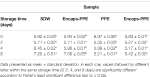
Table 2. pH trends of beef burger patties incorporating prickly pear extract (PPE) or sterile distilled water (SDW) over 8 days of storage at 4 ± 1°C.
Immediately after treatment (time 0), the samples SDW, Encaps-SDW and Encaps-PPE displayed similar starting pH values of five.92 ± 0.03, five.94 ± 0.02, 6.07 ± 0.06, and 5.93 ± 0.01 for SDW, Encaps-SDW, PPE and Encaps-PPE, respectively; sample PPE showed a significantly (p < 0.05) college pH value of six.07 ± 0.06 when compared to the control (SDW). Later on 2 days of storage, while the SDW and Encaps-SDW control samples showed a constant pH value (well-nigh 5.9), the pH value in the PPE and Encaps-PPE samples significantly (p<0.05) decreased, reaching v.35 ± 0.03 and v.27 ± 0.02, respectively. Subsequently 4 days of storage, pH value strongly increased in the SDW sample (Tabular array 2), reaching half-dozen.45 ± 0.02. It was most constant (five.96 ± 0.01) in Encaps-SDW, while, at the same time, sample PPE showed the significantly (p<0.05) lowest values of 5.08 ± 0.02, followed by Encaps-PPE at 5.17 ± 0.01. The departure in pH values was even deeper after viii days of storage. In fact, the samples PPE and Encaps-PPE displayed values of 5.21 ± 0.01 and v.42 ± 0.00, respectively, while in SDW and Encaps-SDW samples, pH raised considerably reaching 7.20 ± 0.01 and 7.06 ± 0.05, respectively (Table 2).
Evaluation of Color Parameters
Every bit shown in Figures 2A–C, the incorporation of PPE excerpt, both direct and encapsulated, significantly (p < 0.05) modified the initial L*, a*, and b* values of burger patties, if compared to the respective controls SDW and Encaps-SDW.
In item, 50* showed the lowest (p < 0.05) value of 40.3 ± 1.three when PPE was directly added to minced meat (PPE sample), followed by Encaps-PPE (42.06 ± 0.05) and Encaps-SDW (45.08 ± 0.03) samples. Lightness values of all samples increased after 4 days of storage, recording later on 8 days 52.8 ± 1.ane, 51.i ± 0.9, 45.1 ± 0.nine, and 45.8 ± 0.4, for SDW, Encaps-SDW, PPE, and Encaps-PPE, respectively (Figure 2A).
Every bit displayed in Effigy 2B, burger samples PPE and Encaps-PPE showed initial significantly (p < 0.05) college a* values (xvi.21 ± 0.8 and xv.03 ± 0.iii, respectively) than SDW and Encaps-SDW ones (13.41 ± 0.5 and thirteen.67 ± 0.4, respectively). After 8 days of storage, SDW and Encaps-SDW samples registered, respectively, a* values of 8.94 ± 0.five and 9.49 ± 0.iv, while PPE and Encaps-PPE samples showed values of 14.45 ± 0.5 and 14.05 ± 0.one. Overall, sample Encaps-PPE showed the everyman variations of a* value during the considered storage period. Sample PPE displayed an irregular trend and registered upwardly to 8 days a decreasing a* value of almost double compared with sample Encaps-PPE (Figure 2B).
The b* values (Effigy 2C) detected in samples PPE and Encaps-PPE displayed significantly (p < 0.05) college initial values of 16.04 ± 0.8 and fifteen.07 ± 0.iii, respectively, in comparison to SDW and Encaps-SDW ones, which recorded the values of x.76 ± 0.four and thirteen.60 ± 0.4, respectively. Afterward 2 days of storage, b* values strongly decreased in SDW and Encaps-SDW samples (7.22 ± 0.3 and 8.01 ± 0.3, respectively); at the aforementioned time, samples PPE and Encaps-PPE showed a bottom decrease (10.90 ± 0.four and 9.98 ± 0.two), which can be related to previously observed antimicrobial effect (Figures 1A–C). Overall, Encaps-PPE had a modest influence on the starting colour parameters in comparison to PPE; when compared to SDW and Encaps-SDW, samples PPE and Encaps-PPE displayed the most stable trend upwardly to viii days of storage (Figures 2A–C).
Texture Analysis
Textural data of burger patties during storage (hardness, springiness and cohesiveness), reported in Tabular array three, were significantly influenced (p < 0.05) by the addition of PPE and Encaps-PPE, according to storage time and the considered parameter.
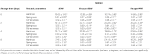
Table 3. Textural properties of beef burger patties incorporating prickly pear extract (PPE) or sterile distilled water (SDW).
In particular, immediately after treatment (time 0), hardness was the same (p > 0.05) amid treatments (Tabular array 3). After 2 and 4 days of refrigerated storage, all but one, the SDW sample, showed higher hardness values. Information technology reached the highest levels, later 8 days of storage, in sample PPE, followed by Encaps-PPE; no significant difference (p > 0.05) was observed between the SDW and Encaps-SDW samples, which registered the lowest hardness values (Table iii). The encapsulation of PPE made this event less pronounced in sample Encaps-PPE.
During storage, springiness and cohesiveness increased in samples PPE and Encaps-PPE reaching significantly (p < 0.05) higher values after 2, 4, and 8 days (Table three) in comparison to SDW and Encaps-SDW samples.
Word
Microbiological parameters and quality, color, and texture of beef burger patties, prepared both past directly addition or encapsulation in alginate chaplet of a PPE, were evaluated during refrigerated storage (upwardly to viii days at 4°C). Microbiological data evidenced at the end of storage a preservative effect both of directly added or encapsulated PPE, which significantly reduced (p < 0.05) mesophilic bacteria, Enterobacteriaceae, and Pseudomonas spp. counts, when compared to control samples added with sterile distilled water (SDW) or encapsulated SDW. Withal, over storage fourth dimension, and in particular later on 4 days, the direct habit of PPE to patty formulations seemed to be more effective in limiting the growth of estimated microbial populations; the reasons for this could be attributed to the fact that all the added extract immediately interacted with the bacterial cells, thus reducing their viability, or with beefiness tissue, thus reducing its degradation with consequent formation of simpler compounds that could exist utilized by the microorganisms.
Our results are in accordance with those previously reported by Palmeri et al. (2018) on sliced beefiness, proving the ability of PPE to effectively reduce the bacterial growth during storage at iv°C. Similarly, Kharrat et al. (2018) reported that the add-on of PPE, as a natural preservative, improves the microbiological stability of salami, probably due to the richness of PPE in flavonoids, betalains, and phenolic molecules.
Being the hamburger a very perishable food, both from a microbiological signal of view and in terms of the quality characteristics, dissimilar culling strategies have been explored for its preservation. Amidst them, Özvural et al. (2016) reported equally the use of encapsulated green tea extract on burger patty formulation significantly affected the TMB, coliform and yeast and mold count, in comparing to control burger samples. Recently, the same authors investigated the effects of different formulations of chitosan (CS) and chitosan/sodium tripolyphosphate (CS/TPP) matrix solutions including β carotene as additives and edible coatings in hamburger patties, in terms of quality, oxidative and microbiological features; the results showed that incorporation of solution as an edible coating was more effective in lipid oxidation and microbial growth than its utilization as an additive, according to the results on terminal day (8 days) of storage (Özvural and Huang, 2018).
During storage, the pH values of control samples (SDW and Encaps-SDW) showed an upwardly trend, probably due to the formation of basic microbial metabolites or metabolites derived from the deaminations of beef proteins (Biswas et al., 2004). The addition of PPE did non substantially change beefiness pH at the offset of the storage menstruation considered, and so excluding its direct issue on microbial growth. Even so, samples treated with PPE (both in majority and encapsulated) showed the lowest pH values during the unabridged storage period, suggesting an antimicrobial result of the extract bioactive compounds over time and/or a protective issue of beef tissue and/or a product of organic acids from PPE sugars by heterofermentative microorganisms. By comparing PPE and Encaps-PPE, the terminal i showed a slightly higher pH value, due to the encapsulation of extract into alginate beads. These results are in accord with those reported by Palmeri et al. (2018) that evidenced how the pH of stored meat treated with PPE was considerably influenced by different concentrations of the excerpt.
Referring to color parameters, during storage, command samples evidenced a strongly decreasing tendency of cherry colour (a* parameter) probably due to microbial spoilage and consistent increase in pH value to which the color alter toward green is typically associated (Borch et al., 1996). Instead, a* values in samples containing PPE, either encapsulated or non, showed a relative stability of this parameter, which suggests a protective effect of the extract toward the myoglobin oxidation process, as already reported by Palmeri et al. (2018). Although there were no significant differences between a* values of samples containing encapsulated or not encapsulated PPE, except at four days, samples containing encapsulated PPE showed a more abiding trend. Esmer et al. (2011) observed a significant decrease of a* parameter, after the 1st day and during the storage time, of both packaged and fresh minced beef samples. The authors showed also a significant correlation between the a* and b* parameters, due to the formation of metmyoglobin that conduce a decrease of b* value. Control samples (SDW and Encaps-SDW) showed a more than pronounced decrease over storage of b* parameter, probably due to oxygen consumption past aerobic microorganisms and to the consequent decrease in oxymyoglobin, which contributes to the germination of the yellow color (Bozkurt, 2006). Also in this case, encapsulation of PPE gave smaller fluctuations of b* parameter over storage time, contributing to the maintenance of colour during the storage.
Inside textural parameters, at the stop of storage (8 days), PPE improver significantly affected hardness, which reached the highest levels in samples added with not encapsulated PPE, probably considering of the presence of carbohydrates in the extract (Salim et al., 2009). Similarly, springiness values significantly increased in samples PPE and Encaps-PPE during storage compared to in control samples; the loftier presences of carbohydrates and soluble proteins in the extract could have caused an improvement in the texture characteristics of the product that acquires higher elasticity and resistance of its structure afterwards the first compression (Kurt and Gençcelep, 2018). Finally, cohesiveness parameter evidenced the highest values in burger patty samples with encapsulated excerpt, certainly owing to alginate gelling properties.
Decision
Microbiological control in minced beef has been identified as 1 of the most of import factors in improving quality, extending the shelf life, ensuring production rubber and reducing waste.
According to microbiological analysis, the addition of PPE and Encaps-PPE to burger formulation significantly affected the counts of TMB, Enterobacteriaceae and Pseudomonas spp., up to 8 days of storage, in comparison to control samples. In addition, results showed that, over the storage time, add-on of PPE maintained the minced beef at nigh constant pH (average 5.3), while the pH of control samples significantly increased, probably due to the production of ammonia, amines and other basic substances by bacterial activity and protein degradation. Although the antimicrobial effect of PPE was slightly more pronounced when information technology was directly added to burger formulation, the encapsulation of the extract determined more than desirable color and texture features. In fact, in terms of color and texture parameters, over 8 days of storage, the sample containing Encaps-PPE showed a more stable trend in comparison to the other treatments.
Sure that the awarding of PPE extract tin be considered equally an effective method to contain microbial growth during storage, further studies volition be addressed to appraise the influence of this extract, encapsulated or non, on the technological characteristics of the cooked product and on its overall sensory acceptability.
The results obtained in this study back up the thought of proposing the use of PPE, encapsulated or non into alginate chaplet, analogously to other extracts (GSFA, 2018) as a natural condiment of beef burger patty formulations for maintaining overall quality parameters.
Data Availability
The raw data supporting the conclusions of this manuscript volition be made available by the authors, without undue reservation, to whatever qualified researcher.
Writer Contributions
RP, CR, and BF conceived and designed the experiments. LP and DT performed the experiments. LP analyzed the data. LP, RP, and CR wrote the manuscript.
Funding
The inquiry was partially supported past the Project "Valutazione della sostenibilità dei sistemi agroalimentari locali east selezione di markers molecolari e biologici nella gestione della qualità di prodotti agroalimentari" funded by the University of Catania (Italian republic).
Disharmonize of Involvement Argument
The authors declare that the research was conducted in the absenteeism of any commercial or financial relationships that could be construed equally a potential conflict of interest.
Footnotes
References
Aguirre Calvo, T. R., and Santagapita, P. R. (2016). Physicochemical label of alginate chaplet containing sugars and biopolymers. J. Qual. Reliab. Eng 2016:9184039. doi: 10.1155/2016/9184039
CrossRef Full Text | Google Scholar
Anbinder, P. S., Deladino, Fifty., Navarro, A. S., Amalvy, J. I., and Martino, Thou. Due north. (2011). Yerba mate extract encapsulation with alginate and chitosan systems: interactions betwixt agile compound encapsulation polymers. JEAS 1, 80–87. doi: 10.4236/jeas.2011.14011
CrossRef Total Text | Google Scholar
Biswas, A. Grand., Keshri, R. C., and Bisht, G. S. (2004). Effect of enrobing and antioxidants on quality characteristics of precooked pork patties under chilled and frozen storage conditions. Meat Sci. 66, 733–741. doi: 10.1016/j.meatsci.2003.07.006
PubMed Abstract | CrossRef Total Text | Google Scholar
Bozkurt, H. (2006). Utilization of natural antioxidants: dark-green tea excerpt and Thymbra spicata oil in Turkish dry out-fermented sausage. Meat Sci. 73, 442–450. doi: 10.1016/j.meatsci.2006.01.005
PubMed Abstract | CrossRef Full Text | Google Scholar
Djordjević, J., Bošković, M., Starčević, M., Ivanović, J., Karabasil, Northward., Dimitrijević, M., et al. (2018). Survival of Salmonella spp. in minced meat packaged nether vacuum and modified temper. Braz. J. Microbiol. 49, 607–613. doi: 10.1016/j.bjm.2017.09.009
PubMed Abstract | CrossRef Total Text | Google Scholar
Esmer, O. M., Irkin, R., Degirmencioglu, N., and Degirmencioglu, A. (2011). The furnishings of modified temper gas composition on microbiological criteria, color an oxidation values of minced beef meat. Meat Sci. 88, 221–226. doi: ten.1016/j.meatsci.2010.12.021
PubMed Abstract | CrossRef Total Text | Google Scholar
Feugang, J. Thousand., Konarski, P., Zou, D., Stintzing, F. C., and Zou, C. (2006). Nutritional and medicinal use of cactus pear (Opuntia spp.) cladodes and fruits. Forepart. Biosci. 11, 2574–2589. doi: 10.2741/1992
PubMed Abstract | CrossRef Total Text | Google Scholar
García, M. L., Calvo, M. 1000., and Selgas, M. D. (2009). Beef hamburgers enriched in lycopene using dry lycopersicon esculentum peel every bit an ingredient. Meat Sci. 83, 45–49. doi: 10.1016/j.meatsci.2009.03.009
CrossRef Full Text | Google Scholar
Halmi, S., Benlakssira, B., Bechtarzi, Thousand., Djerrou, Z., Djeaalab, H., Riachi, F., et al. (2012). Antihyperglycemic activity of prickly pear (Opuntia ficus-indica) aqueous extract. Int. J. Med. Arom. Plants ii, 540–543.
Google Scholar
Kharrat, N., Salem, H., Mrabet, A., Aloui, F., Triki, S., Fendri, A., et al. (2018). Synergistic effect of polysaccharides, betalain pigment and phenolic compounds of red prickly pear (Opuntia stricta) in the stabilization of salami. Int. J. Biol. Macromol. 111, 561–568. doi: x.1016/j.ijbiomac.2018.01.025
PubMed Abstract | CrossRef Full Text | Google Scholar
Kumar, Y., Yadav, D. Due north., Ahmad, T., and Narsaiah, Yard. (2015). Recent trends in the use of natural antioxidants for meat and meat products. Compr. Rev. Food Sci. Food Saf. xiv, 796–812. doi: 10.1111/1541-4337.12156
CrossRef Total Text | Google Scholar
Kurt, A., and Gençcelep, H. (2018). Enrichment of meat emulsion with mushroom (Agaricus bisporus) powder: impact on rheological and structural characteristics. J. Food Eng. 237, 128–136. doi: 10.1016/j.jfoodeng.2018.05.028
CrossRef Total Text | Google Scholar
Nowak, A., Czyzowska, A., Efenberger, M., and Krala, 50. (2016). Polyphenolic extracts of cherry (Prunus cerasus Fifty.) and blackcurrant (Ribes nigrum L.) leaves every bit natural preservatives in meat products. Food Microbiol. 59, 142–149. doi: 10.1016/j.fm.2016.06.004
PubMed Abstract | CrossRef Full Text | Google Scholar
Olivera, D. F., Bambicha, R., Laporte, Thousand., Cárdenas, F. C., and Mestorino, N. (2013). Kinetics of colour and texture changes of beef during storage. J. Nutrient Sci. Technol. fifty, 821–825. doi: x.1007/s13197-012-0885-7
PubMed Abstract | CrossRef Total Text | Google Scholar
Özvural, E. B., and Huang, Q. (2018). Quality differences of hamburger patties incorporated with encapsulated β carotene both equally an additive and edible coating. J. Food Procedure. Preserv. 42:e13353. doi: ten.1111/jfpp.13353
CrossRef Full Text | Google Scholar
Özvural, E. B., Huang, Q., and Chikindas, M. 50. (2016). The comparison of quality and microbiological feature of hamburger patties enriched with greenish tea extract using three techniques: directly addition, edible coating and encapsulation. LWT Food Sci. Technol. 68, 385–390. doi: 10.1016/j.lwt.2015.12.036
CrossRef Full Text | Google Scholar
Palmeri, R., Parafati, L., Restuccia, C., and Fallico, B. (2018). Awarding of prickly pear fruit extract to improve domestic shelf life, quality and microbial safety of sliced beef. Nutrient Chem. Toxicol. 118, 355–360. doi: 10.1016/j.fct.2018.05.044
PubMed Abstruse | CrossRef Full Text | Google Scholar
Reg. EC 2073 (2005). European Commission Regulation (EC) No 2073/2005 of 15 November 2005 on microbiological criteria for foodstuffs. Off. J. Eur. Matrimony L. 338.
Google Scholar
Reg. European union 601 (2014). Commission Regulation (European union) No 601/2014 of 4 June 2014 amending Annex II to Regulation (EC) No 1333/2008 of the European Parliament and of the Council every bit regards the nutrient categories of meat and the use of certain food additives in meat preparations. Off. J. Euro. Matrimony L. 166.
Google Scholar
Salim, N., Abdelwaheb, C., Rabah, C., and Ahcene, B. (2009). Chemical composition of Opuntia ficus-indica (50.) fruit. Afr. J. Biotech. viii, 1623–1624. doi: 10.5897/AJB12.2631
CrossRef Full Text | Google Scholar
Sofos, J. N., Flick, G., Nychas, G.-J., O'Bryan, C. A., Ricke, Due south. C., and Crandall, P. G. (2013). "Meat, poultry, and seafood" in Food microbiology: Fundamentals and frontiers. 4th Edn. eds. M. P. Doyle and R. L. Buchanan (Washington, D.C.: American Society for Microbiology-ASM Printing), 111–168.
Google Scholar
Tang, S. Z., Ou, S. Y., Huang, Ten. S., Li, West., Kerry, J. P., and Buckley, D. J. (2006). Effects of added tea catechins on color stability and lipid oxidation in minced beef patties held under aerobic and modified atmospheric packaging conditions. J. Food Eng. 77, 248–253. doi: 10.1016/j.jfoodeng.2005.06.025
CrossRef Full Text | Google Scholar
Velasco, V., and Williams, P. (2011). Improving meat quality though natural antioxidants. Chil. J. Agr. Res. 71, 313–322. doi: 10.4067/S0718-58392011000200017
CrossRef Full Text | Google Scholar
malpasshavenalwas.blogspot.com
Source: https://www.frontiersin.org/articles/10.3389/fmicb.2019.01760/full

Enregistrer un commentaire for "Expected Microbiological Results on Precooked Beef"